
If you’ve lived or worked in Dubai for more than a summer, you already know what the heat does to a building. Your AC barely gets a break, sand finds its way into everything, and somewhere behind the walls, your ductwork is quietly taking a beating. Most people don’t think about their ducts until something goes wrong: a musty smell, a room that never cools properly, a bill that’s suddenly higher than usual.
That’s usually when air duct problems in Dubai buildings are so prone to finally noticed. And by then, the issue has often been building for months. This guide walks through the duct problems we see most often across Dubai properties, why this city is particularly hard on ductwork, and what you can actually do about it — including when it’s time to call in air duct cleaning Dubai professionals instead of trying to patch things up yourself.
Why Dubai’s Climate Is So Hard on Ductwork
There’s a reason duct problems show up faster here than in most other places. Dubai combines three things that don’t play nice with HVAC systems: relentless heat, fine desert dust, and, closer to the coast, real humidity.
AC units in this city often run 10-12 hours a day without stopping, sometimes longer during peak summer. Every one of those hours pulls dust and sand deeper into the system. Older buildings make it worse — a lot of them were designed for cooling loads that don’t match what today’s occupants actually need, so the ducts end up working overtime just to keep up. None of this means duct cleaning is optional or “nice to have.” In Dubai, it’s closer to routine maintenance, the same way you’d service a car that’s driven in tough conditions.
The Duct Problems We See Most in Dubai Buildings
Here’s what actually goes wrong, and why.
1. Dust and Sand Buildup
This one’s almost universal. Dubai sits in the desert, so fine sand particles are always in the air, and your ductwork ends up acting like a filter it was never really designed to be.
Give it a year or two, and that buildup coats the inside of the ducts. Airflow drops, the AC has to push harder, and every time the system switches on, some of that trapped dust gets blown right back into your rooms.
2. Mold Growth
Head toward the coast — Dubai Marina, JBR, that whole stretch — and humidity becomes a real factor. Warm air meeting cool duct surfaces creates condensation, and condensation that sits too long turns into mold.
It’s not just a smell issue either. Mold spores spread fast once they get into a duct system, and for anyone with allergies or asthma in the building, that’s a real problem, not a minor inconvenience.
3. Loose or Disconnected Joints
A lot of buildings here use flexible ductwork because it’s easier to install. The trade-off is that those joints loosen over time — vibration from the unit, temperature swings, general wear.
Once a joint separates, conditioned air starts leaking into ceiling spaces instead of reaching the rooms it’s meant for. You’re paying to cool air nobody ever feels.
4. Pests Inside the Ducts
Dark, warm, sheltered — ducts are exactly the kind of space pests look for. Cockroaches, rodents, occasionally birds- all of them have turned up inside duct systems across the city.
Beyond the obvious “that’s disgusting” reaction, pest activity means droppings and allergens getting pushed straight into your air supply. Of all the air duct problems Dubai residents deal with, this is one people tend to take most seriously once they realize it’s happening.
5. Damaged Insulation
Insulation keeps cooled air at the right temperature as it moves through the ducts. When it tears from age, moisture, or pest damage, your AC compensates by working harder.
That extra effort shows up on your electricity bill. If you’re running a budget-conscious business, this is one of those hidden costs that’s easy to overlook until you actually check the numbers.
6. Poor Duct Design or Blocked Vents
Sometimes it’s not wear and tear at all; it’s how the system was set up in the first place. Vents in awkward spots, ducts that are too narrow, sharp bends that choke airflow. This shows up a lot in older commercial buildings that got renovated without anyone revisiting the original HVAC layout.
7. Odors That Won’t Go Away
Musty, stale, just generally “off” — if a building smells like this even after cleaning, the source is usually hidden inside the ducts. Dust, mold, even the occasional dead pest- all of it can produce odors that travel through every room on the same system.
Signs Your Air Ducts Need Cleaning
Not sure whether it’s actually time to call someone? These are the clearest signs air ducts need cleaning, and property owners here run into them constantly:
- Dust reappears around vents shortly after you’ve wiped them down
- A musty smell kicks in the moment the AC turns on
- Rooms feel stuffy even though the system is running
- Electricity bills climb with no real change in usage
- People in the building start reporting more allergy symptoms
- Some rooms stay cold while others barely cool at all
- Vents make odd noises, rattling, whistling, that kind of thing
- Mold spots show up around vent covers or nearby ceiling tiles
Two or more of these at once, and it’s probably past the point of a quick fix.
What Poor Duct Maintenance Actually Costs You
It’s tempting to treat duct issues as background noise annoying, but not urgent. The reality is a bit harder to ignore once you look closer. Dirty ducts recirculate allergens and bacteria constantly, which matters a lot more if there are kids, older family members, or anyone with respiratory issues in the building.
Then there’s the financial side. A clogged system forces your HVAC unit to work overtime, and that shows up on your DEWA bill month after month. It also shortens the life of equipment that isn’t cheap to replace. This is really why HVAC duct cleaning Dubai specialists get called in regularly — not because it’s trendy, but because it protects an expensive investment.
For commercial spaces, the stakes go up. Poor air quality in an office or a restaurant affects how people feel while they’re there, and that includes your employees and your customers.
Commercial Buildings Have It Even Harder
Offices, malls, restaurants, hotels these buildings deal with duct challenges that a typical home never sees. More people walking through means more dust entering daily. Bigger systems mean more ductwork, more joints, more places for something to quietly go wrong. Commercial air duct cleaning isn’t just a bigger version of residential cleaning;g it’s a different job entirely. Wider ducts, more complicated layouts, tighter health and safety rules. A lot of commercial leases and insurance policies in Dubai now actually require proof of regular duct maintenance, so this stops being optional pretty fast.
Restaurants especially can’t afford to ignore this. Duct cleanliness ties directly into health inspections, and a failed inspection over ventilation issues is the kind of thing that costs both money and trust.
How Duct Problems Quietly Drain Your Energy Bill
Every bit of extra dust inside a duct forces the system to push harder just to hit the same temperature. It’s one of the most common reasons energy bills creep upward without an obvious cause. People check the thermostat, check the compressor, and never think to check what’s happening inside the walls.
A duct system that’s clean and properly sealed lets air move the way it was actually designed to. Less resistance means shorter run times and a system that isn’t fighting itself just to keep a room comfortable.
When Duct Design Is the Real Problem
Not every issue traces back to dust or age. Sometimes the layout itself is the problem: ducts too narrow for the space, too many sharp turns, a unit installed far from the rooms it’s supposed to serve. That kind of strain doesn’t go away no matter how often you clean.
If a building keeps running into the same problems despite regular maintenance, it’s worth having someone look at the original duct layout rather than cleaning the same issue away every few months. Occasionally, a small redesign fixes what cleaning never could.
Repair or Replace? Knowing When to Stop Patching
Cleaning and repairs handle most duct issues just fine, but older systems eventually hit a point where replacement makes more sense financially. Heavily corroded ducts, mold that keeps coming back no matter what, sections crushed under years of pressure — repairing these repeatedly often costs more than just replacing them.
A decent rule of thumb: compare your last two repair bills against the cost of a partial or full replacement. If repairs keep happening and the system is past 15 years old, replacement usually pays for itself pretty quickly through lower energy use and fewer surprises down the line.
What Professional Cleaning Actually Involves
Avoiding most of what’s listed above comes down to one simple habit: getting ahead of it with regular professional cleaning. Here’s what that typically looks like.
Full Inspection First
A technician checks the entire system for dust buildup, mold, loose joints, and physical damage before touching anything. This tells them exactly what your system needs instead of running a generic process on every job.
Deep Cleaning, Not Surface Cleaning
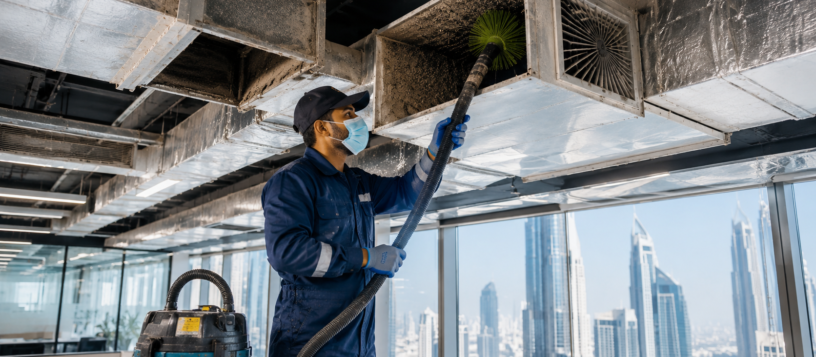
Proper equipment matters here — high-powered vacuums, rotating brushes, sometimes negative air pressure systems that pull debris out from places a regular vacuum can’t reach.
Dealing With Mold Directly
Where mold or bacteria turn up, technicians use safe, EPA-approved treatments to actually eliminate it rather than just covering the smell.
Flagging Repairs Along the Way
Solid air duct cleaning services Dubai providers won’t just clean and leave. They’ll point out loose joints, damaged insulation, or design issues before those turn into bigger, costlier problems.
Testing the Air Afterward
Some companies now offer air quality testing once the job’s done, so you’re not just taking their word for it — you get actual proof the air has improved.
What a Thorough Service Should Include
If you’re comparing providers, here’s what a proper job typically covers:
- A full inspection of supply and return ducts before any work starts
- Removal of dust, debris, and allergens from every accessible section
- Cleaning of grilles, registers, and diffusers throughout the property
- Sanitization for mold, bacteria, or persistent odors
- Inspection and cleaning of the AC coil and blower where accessible
- A written report covering findings and recommended repairs
- Optional air quality testing to confirm the results
If a company skips most of this, you’re probably getting a rushed job, not a real one.
How Often Should You Actually Schedule This?
Given how tough Dubai’s climate is on HVAC systems, most professionals recommend duct cleaning every 12 to 18 months for homes. Commercial spaces with heavier foot traffic restaurants, gyms, retail usually need it every 6 to 12 months.
If your building sits near construction, the coast, or a busy road, you’re probably due for more frequent attention. And if you’ve just wrapped up renovation work, get the ducts cleaned soon after construction dust settles deep and doesn’t clear out on its own.
A Few Habits That Help Between Cleanings
Professional service matters most, but a couple of small habits stretch the time between visits. Swap your AC filters every one to three months, depending on how hard the system runs. Clean filters catch a lot of dust before it ever reaches the ductwork. Keep vents clear of furniture or curtains — blocked airflow just makes the system work harder for no reason. And keep up with regular AC servicing alongside duct maintenance, since a well-maintained unit puts a lot less strain on everything connected to it. None of this replaces professional cleaning, but it does slow things down.
Picking the Right Company
Not all providers are equal, so it’s worth being a little picky. Go with a company that actually has experience with Dubai’s specific conditions — sand and humidity buildup aren’t the same challenge everywhere, and local experience shows.
Ask if they use real equipment rather than a basic shop vac, and whether they’ll show you before-and-after documentation. A trustworthy provider gives you a clear quote upfront, not something that shifts once the job’s already started.
Check recent reviews, and ask if they’ve worked on buildings like yours before — residential, commercial, industrial. That one question filters out a lot of providers who overpromise.
Frequently Asked Questions
How much does air duct cleaning cost in Dubai?
It depends on property size, duct length, and how much buildup has occurred over time. Residential properties usually pay a fairly standard flat fee, while commercial spaces get quoted after an inspection, based on total duct system size.
How long does a typical cleaning take?
For an average villa or apartment, expect two to four hours. Larger commercial properties with more extensive ductwork can take a full day, sometimes longer depending on complexity.
Can dirty ducts actually cause allergies?
Yes. Dust, mold spores, pet dander — all of it gets pushed straight into your space every time the AC runs. That kind of constant exposure tends to worsen allergy symptoms over time.
Do I really need a professional, or can I clean the ducts myself?
Basic vent wiping is fine as a DIY task, but the deep cleaning inside the ductwork needs equipment most people don’t have lying around. Professionals reach spaces a home vacuum simply can’t.
What if I don’t see any visible dust — do I still need cleaning?
Yes, and this surprises a lot of people. Most buildup happens deep inside the ducts, well past what you can see at the vent opening. Musty smells or rising bills are often the real warning signs, even when everything looks fine on the surface.
Final Thoughts
Sooner or later, most buildings in Dubai run into some version of these duct problems; it’s just what happens with this climate and this much AC usage. The real difference between a minor fix and an expensive repair usually comes down to how early you catch it.
Whether you’re dealing with dust, mold, loose joints, or just want some peace of mind, regular air duct cleaning Dubai services are one of the more cost-effective things you can do for your property. Better air quality, lower bills, and equipment that lasts longer it adds up. Don’t wait for a musty smell or a spike in your DEWA bill to do something about it. A bit of proactive maintenance now saves a lot of hassle later.
